
Call us now :07971549899
 Send Inquiry
 Send Inquiry
Gemita 1gm Injection
Price 2231.0 INR/ Box
MOQ : 5 Pieces
Gemita 1gm Injection Specification
- Indication
- bladder cancer, breast cancer, ovarian cancer, pancreatic cancer, and non-small cell lung cancer
- Salt Composition
- Gemcitabine
- Expiration Date
- 2028 Years
- Origin of Medicine
- India
- Medicine Type
- Anti Cancer
- Dosage Form
- Injection
- Storage
- store below 30 degree celcius
- Molecular Formula
- Gemcitabine
- Usage
- bladder cancer, breast cancer, ovarian cancer, pancreatic cancer, and non-small cell lung cancer
- Pacakaging (Quantity Per Box)
- 1 VIAL(s) OF 26.3ML
Gemita 1gm Injection Trade Information
- Minimum Order Quantity
- 5 Pieces
- Delivery Time
- 7 Days
Gemita 1gm Injection About
Gemita 1gm Injection contains Gemcitabine, a chemotherapy medication used in the treatment of several cancers, including bladder cancer, breast cancer, ovarian cancer, pancreatic cancer, and non-small cell lung cancer. It works by interfering with the growth and division of cancer cells, helping to slow or stop the progression of the disease. Before starting treatment, patients should inform their healthcare provider about any history of heart disease, liver disorders, kidney problems, recent radiotherapy, or recent vaccinations, as these conditions may require special monitoring. Gemita 1gm Injection is generally not recommended for children and adolescents under 18 years of age. During treatment, regular blood tests are performed to monitor blood cell counts, liver function, and kidney function to help ensure safe and effective therapy. Patients should use effective contraception during treatment and for at least six months after the final dose to prevent pregnancy-related risks. As Gemcitabine may affect male fertility, men are advised not to father a child during treatment and for six months after completing therapy. Patients following a sodium-restricted diet should also inform their doctor, as this medication contains sodium. Immediate medical attention should be sought if symptoms such as shortness of breath, wheezing, unusual bleeding, changes in urine output or color, or persistent upper abdominal pain occur while receiving Gemita 1gm Injection. Regular medical supervision is important to manage side effects and optimize treatment outcomes.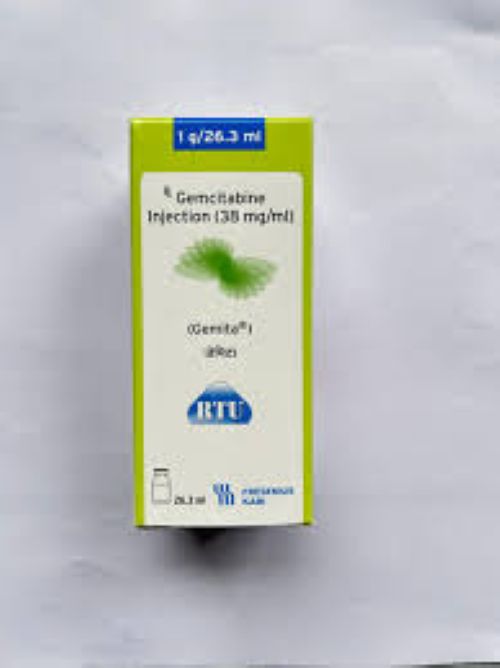
Tell us about your requirement

Price:
Quantity
Select Unit
- 50
- 100
- 200
- 250
- 500
- 1000+
Additional detail
Mobile number
Email

More Products in Anti Cancer Medicines Category
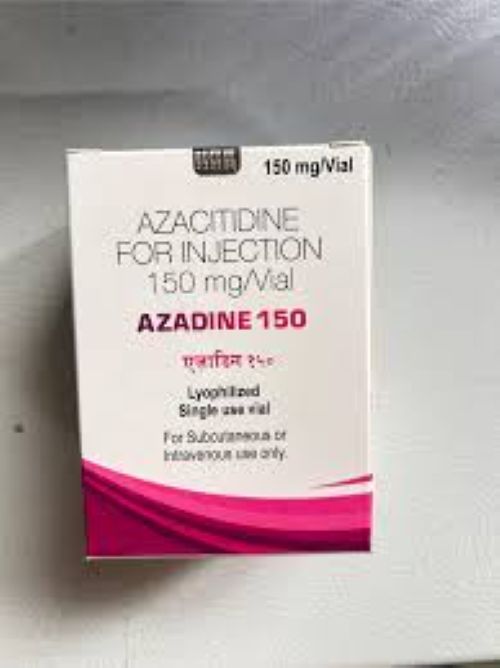
Azadine 150mg Injection
Price 2850.0 INR / Piece
Minimum Order Quantity : 5 Pieces
Dosage Form : Injection
Usage : Acute Myeloid Leukaemia
Origin of Medicine : India
Salt Composition : Azacitidine
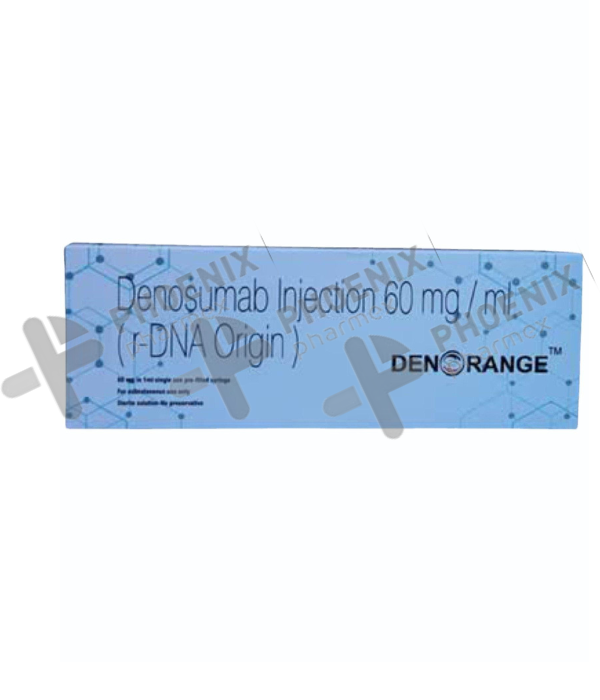
Denorange Injection
Price 18000.0 INR / Piece
Minimum Order Quantity : 5 Pieces
Dosage Form : Injection
Usage : Multiple Myeloma
Origin of Medicine : India
Salt Composition : Denosumab
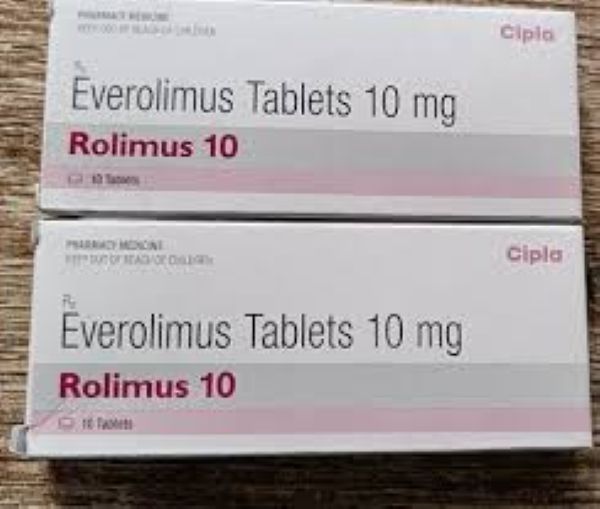
Rolimus 10mg tablet
Price 8920.0 INR / Piece
Minimum Order Quantity : 5 Boxes
Dosage Form : Tablet
Usage : Advanced breast cancer
Origin of Medicine : India
Salt Composition : everolimus
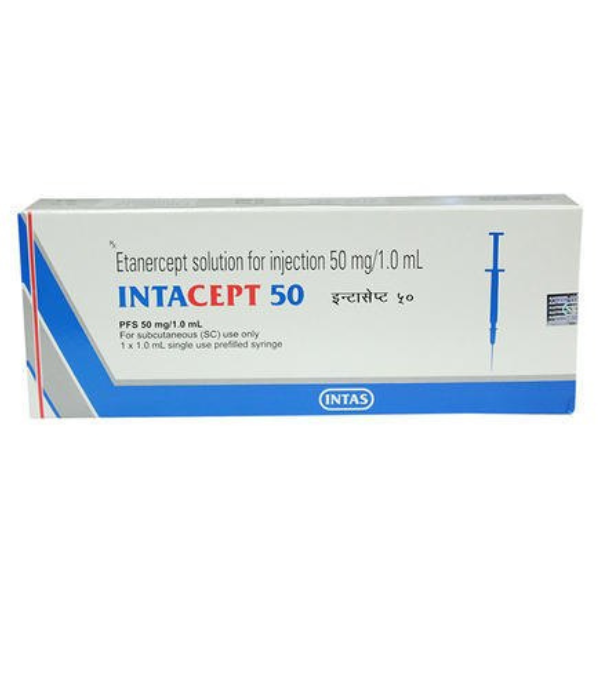
Intacept 50mg Injection
Price 5273 INR / Millimeter
Minimum Order Quantity : 5 Millimeters
Dosage Form : Injection
Usage : Rheumatoid arthritis Plaque psoriasis Psoriatic arthritis
Origin of Medicine : india
Salt Composition : Etanercept

 Send Inquiry

Our Products
- Anti Cancer Medicines
- Super Speciality Medicine
- Prostate Cancer Medicines
- Breast Cancer Medicines
- Skin Cancer Medicines
- Blood Cancer Medicines
- Colorectal Cancer Medicines
- Multiple Myeloma Medicines
- Ovarian Cancer Medicines
- Thyroid Cancer Medicines
- Kidney Cancer Medicines
- Liver Cancer Medicines
- Anti HIV Medicines
- Nephrology Medicine
- Criticare Medicines
- Rheumatoid Arthritis-Critical Care


CS- 48, 2nd Floor, Metro Plaza, Near Metro Mall, Kalyan Shil Road, Netivali, Kalyan East,Thane - 421306, Maharashtra, India
Mr. Raunak Shetty (Director)
Mobile :+ 91 8108107520, + 91 8108107540
 : + 91 8108107520
Mobile :+ 91 8108107520, + 91 8108107540
: + 91 8108107520
Mr. Raunak
(Director)
Mobile :07971549899
 Send Inquiry
 Send SMS
 Call Me Free
Developed and Managed by Infocom Network Private Limited.
Change Language


